

Health
Exploring Gulab Jamun: Calories, Origin, and the History of This Iconic Sweet
25 Jul 2025
Table of Contents
Overview
For most of us, breakfast starts with a plate of warm rotis. As you let the steam escape through the cracks, have you ever wondered what went into making it? The answer is wheat! We use this grain and several other types of wheat extensively while cooking. These varieties are further processed to make the base for your favourite chapatis. Hence, understanding atta types is important for expanding your knowledge of new culinary possibilities. From a golden field of kernels to the soft dough in your hands, learn about the ingredient wheat and its by-product atta.
What is Wheat?
Wheat is an irreplaceable food in world cuisine. It is a cereal grain that has remained a staple in almost every meal for about a millennium. Over the years, the types of wheat have also evolved. According to their uses, these different forms of wheat can be lightly sorted into: Hard Red Wheat (bread making), Soft Red Wheat (cakes, pastries), Hard White Wheat (baked foods), Soft White Wheat (Asian-style noodles) and Durum Wheat (pasta).
Apart from these types of wheat, some varieties that are unique to India are:
Lokwan Wheat: It has a high gluten content. This makes for the softest and thinnest rotis.
Sharbati Wheat: A popular wheat, sharbati wheat gives way to a boost of nutrition and protein.
Khapli Wheat: Belonging to the Emmer wheat type, Khapli wheat is gaining steady acceptance due to its expansive nutrients.
With these, Durum wheat is also used extensively throughout the region. In total, there are hundreds of other different forms of wheat that contribute to the rich history of the Indian wheat trade and cuisine.
Process From Wheat to Flour
The wheat grain takes quite a journey, involving several steps, to result in the product we see in stores today. Firstly, the grains are harvested, cleaned, conditioned with moisture and then milled. They are then broken into smaller pieces, sifted and ground into flour to achieve a fine texture.
This process eventually results in different types of flour:
All-Purpose Flour: The most common type of flour. It forms the base of baked and cooked dishes.
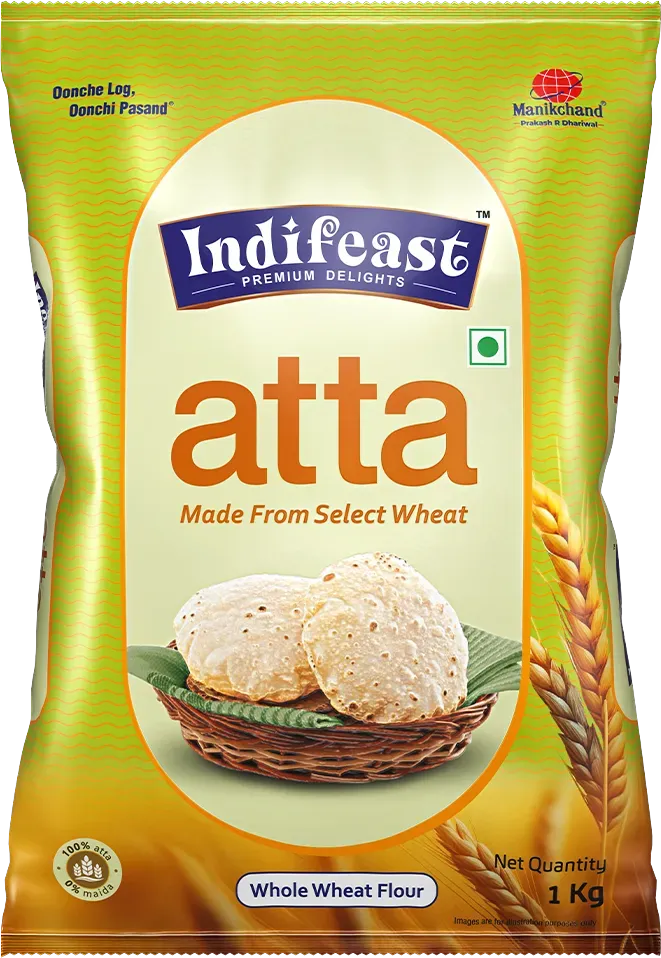
Whole Wheat Flour: Wheat flour is made from entire ground grain. It is denser and holds a range of nutrients.
Bread Flour: This flour has a higher gluten content, making it ideal for breads.
Cake Flour: It is a delicate flour and perfect for cakes and pastries.
Self-Rising Flour: Apart from all-purpose flour, it also includes baking powder and salt. The flour allows for quick breads and biscuits.
Specialised Flours: These are your gluten-free options and alternative flours, such as millet flour, oat and almond flour.